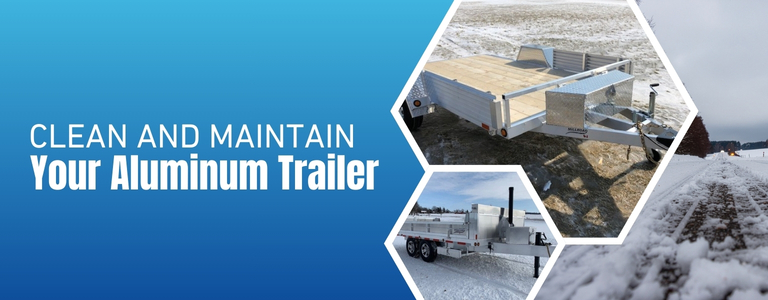
You feel it every spring. The snow melts. Roads dry out. And your equipment finally comes out of winter storage.
After months of salt, grime, and cold, your aluminum unit needs attention before the season begins. Skipping early care can shorten its life and lead to costly problems later.
You protect your investment when you focus on aluminum trailer maintenance right after winter. Spring trailer care helps remove salt buildup, check key parts, and prepare for safe use. When you clean an aluminum trailer the right way, you protect strength, appearance, and performance all season long.
At Millroad Manufacturing in Brucefield, Ontario, we see how proper care makes a real difference year after year.
In this blog, you will find a simple spring checklist that explains how professionals approach aluminum trailer maintenance after a long Canadian winter.
First, this is important to remember. You may not see the damage right away, but winter leaves its mark. Salt spray sticks to metal surfaces. Moisture hides in seams and corners. Freeze and thaw cycles put stress on moving parts.
Aluminum resists rust better than steel, but it is not immune to buildup or wear. Road salt can dull finishes. Dirt can trap moisture. Hinges and couplers can stiffen after months of cold.
Spring trailer care removes what winter leaves behind. It also helps spot issues early, before they turn into repairs or downtime during busy months.
Now for your simple spring checklist.
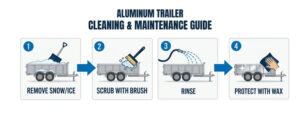
You begin aluminum trailer maintenance by washing away loose buildup. This step matters more than most people realize, especially after months of winter driving. Salt can stick to surfaces long after snow is gone, and if it stays in place, it can speed up wear and dull the finish. A full rinse works best when the surface is properly prepared first.
Before washing, you should:
This prep work helps water flow freely and keeps moisture from settling where it should not.
You clean an aluminum trailer using gentle products that protect the surface. Harsh cleaners or rough tools can scratch aluminum and leave marks that are hard to remove. Mild soap and warm water work best for spring trailer care.
Use a soft brush or sponge and wash from the top down. This keeps dirty water from running over clean areas. Pay close attention to seams, rails, and the underside, where salt and grime often collect.
When washing, remember to:
This step restores shine while keeping the aluminum surface smooth and protected.
You may notice dull areas or stubborn stains after winter. These spots often come from oxidation or heavy road grime.
Gentle solutions work best. A mix of baking soda and water or diluted vinegar can help lift buildup without harming aluminum. Apply lightly and scrub with a soft cloth.
Take your time here. Rushing or using abrasive tools can do more harm than good. Aluminum trailer maintenance is about steady care, not force.
You finish cleaning by rinsing everything thoroughly. Soap left behind can attract dirt and leave marks once dry.
Drying matters more than many people think. Standing water can collect in joints and low points. This can cause staining or hidden moisture issues.
Our trailer care includes letting surfaces air dry or wiping them down with clean towels. A dry unit is easier to inspect and protects finishes longer.
You notice much more once everything is clean. Dirt and salt can hide cracks, dents, and loose parts. After washing, surfaces are clear, making it easier to see what winter may have left behind.
A careful visual check helps spot small problems early. Look for scratches, worn areas, or loose bolts that may have shifted during cold months. Catching these issues right away keeps aluminum trailer maintenance simple and helps avoid surprises once the season is busy.
Winter often dries out grease and stiffens moving parts. Cold temperatures and long storage periods can make hinges and joints harder to move. Lubrication helps restore smooth motion before regular use begins.
Focus on areas that move or carry weight, such as latches, jacks, couplers, and pivot points. Using a quality lubricant made for outdoor equipment reduces friction and wear. This step is an important part of our trailer care and helps everything operate smoothly under load.
You rely on stable movement every time you tow, especially after a long winter. Cold temperatures and months of sitting can affect rubber, metal, and moving parts. Spring is the right time to make sure everything rolls smoothly before regular use begins.
Before hitting the road, you should:
This step is an important part of aluminum trailer maintenance. It improves safety and reduces strain on your towing vehicle.
You depend on lighting for visibility and safety. Winter moisture can affect wiring connections.
Test all lights before regular use. Look for flickering, corrosion, or loose plugs. Fixing small electrical issues early prevents frustration later.
Spring trailer care always includes electrical checks, especially after long storage.
You may choose to polish aluminum after cleaning. This restores shine and adds a protective layer.
Polish helps reduce oxidation, improve appearance, and make future cleaning a lot easier. Some owners also apply wax or undercoating for added protection. These steps extend the life of the surface and support long-term aluminum trailer maintenance.
If your setup includes enclosed space, interior cleaning matters too. Dirt, moisture, and debris can collect during winter.
Sweep out dust and check for damp areas. Airing things out helps prevent odors and mildew. A clean interior supports trailer care just as much as exterior washing.
You keep things running smoothly when care becomes routine instead of reactive. Waiting for problems often leads to bigger repairs and lost time. A simple schedule helps prevent issues before they start.
A basic checklist includes:
Aluminum trailer maintenance works best when it is consistent. Small steps done regularly help prevent big problems later.
You invest in quality equipment because you expect it to last. Maintenance protects that value.
Clean surfaces resist wear. Lubricated parts move smoothly. Inspected components fail less often. Spring trailer care supports performance and resale value at the same time. Over years of use, this care adds up.
You may prefer expert support for deeper inspections or service. Professionals spot issues that are easy to miss and help plan long-term care.
At Millroad Manufacturing in Brucefield, Ontario, we help customers understand aluminum trailer maintenance from a long-term view. Our goal is to help you get the most from your equipment season after season.
You set the tone for the year with spring care. When you clean an aluminum trailer properly and follow a simple maintenance plan, you protect strength, safety, and appearance.
Aluminum trailer maintenance is not complicated, but it is important. Our trailer care helps you move forward with confidence after a long Canadian winter.
Ready for the season ahead? If you have questions about aluminum trailer maintenance, spring trailer care, or how to clean an aluminum trailer properly, contact us today. At Millroad Manufacturing in Brucefield, Ontario, we are here to help you protect your investment and prepare for the season ahead.